


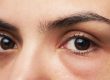
Eyelid retraction after lower blepharoplasty – a surgery to treat bags and wrinkles under the eyes – is the most feared complication of this operation. From a functional point of view, eyelid malposition puts the ocular surface at risk, causing bothersome dry eye symptoms in some patients and potentially serious corneal exposure in severe cases of retraction. Additionally, the undesirable cosmetic appearance can have a negative psychological impact which can lead to significant emotional distress.
Certain precautions can be taken to minimize or reduce the risk, such as conservative skin removal, addressing eyelid laxity during blepharoplasty, and avoiding muscle resection. Nevertheless, it is not uncommon to meet patients affected by this complication after their lower eyelid cosmetic surgery.
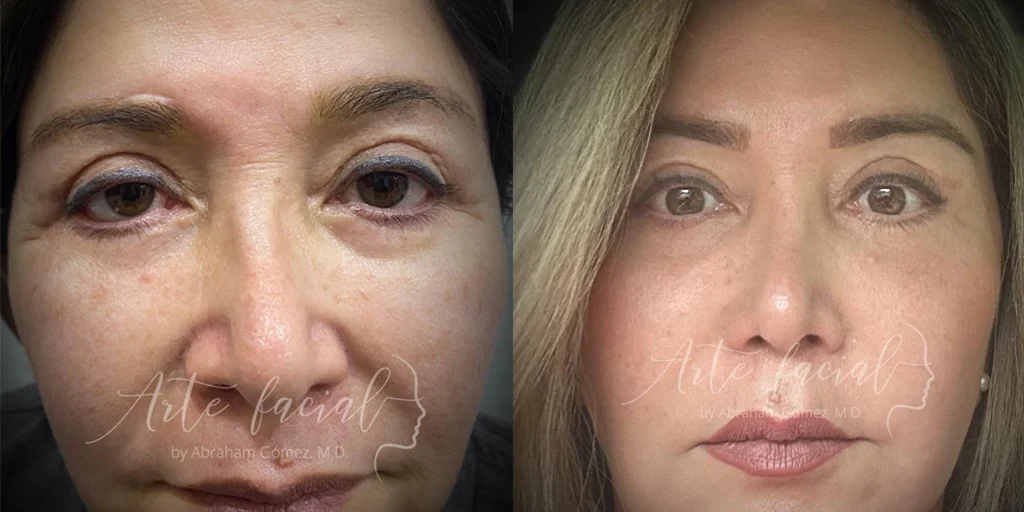
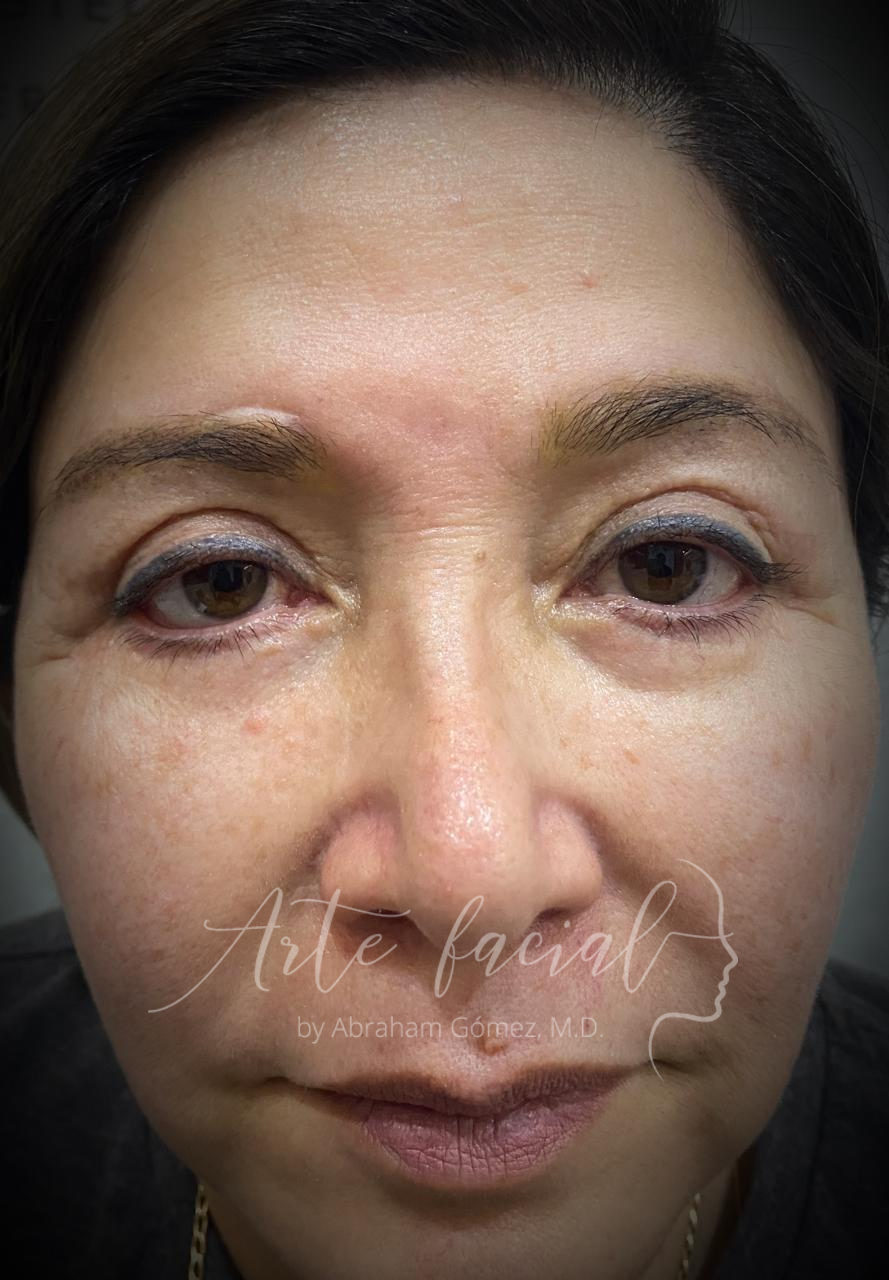
Thankfully, oculoplastic surgeons are well-versed in managing this complication. In my practice, I regularly assist patients in restoring their normal eyelid position and improving their self-esteem, while also mitigating the impact of eyelid retraction on the ocular surface. Over the years, I have successfully employed the ‘4-point fixation’ approach, a technique that consistently delivers excellent results in repairing lower eyelid retraction by restoring eyelid shape and position and improving corneal protection and dry eye symptoms. The benefits of this approach are clear, and I encourage its adoption for better patient outcomes.
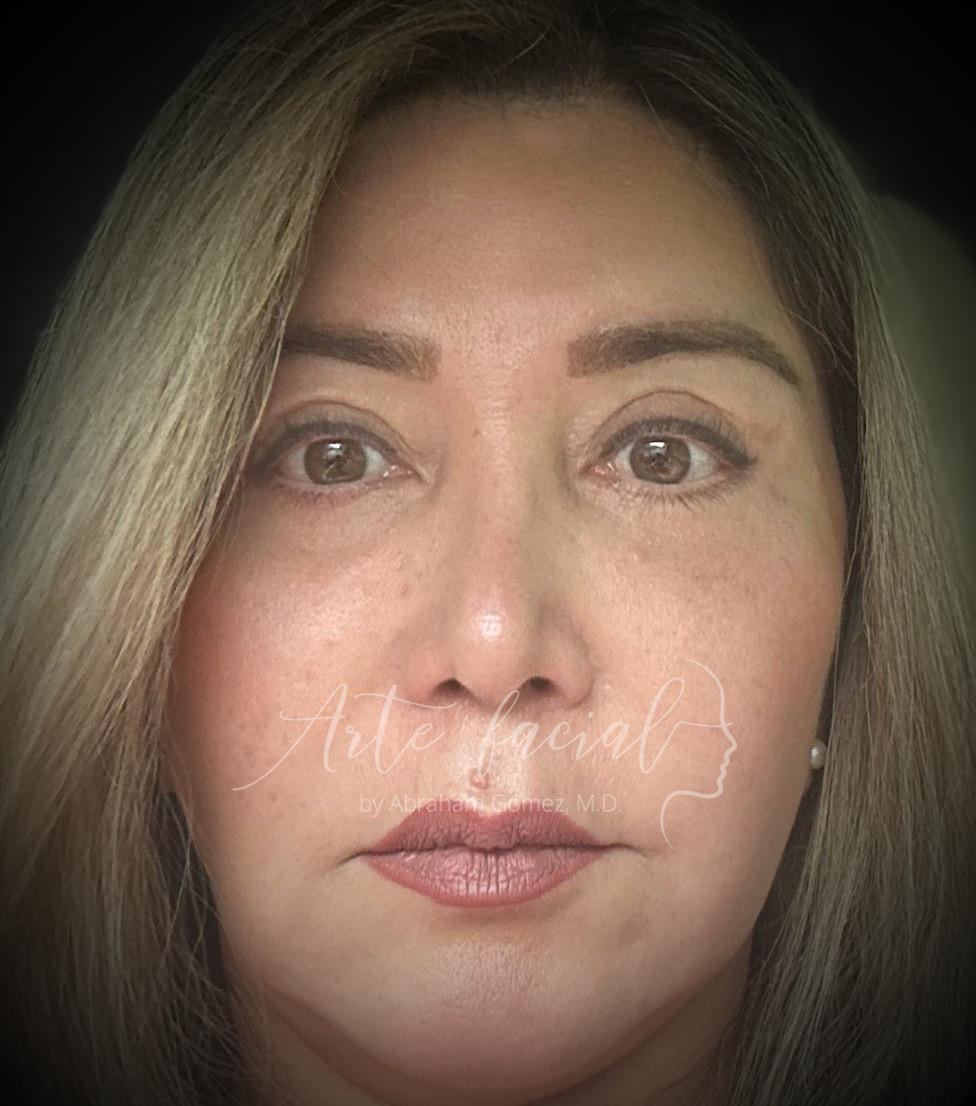
Striving for the best outcome requires a meticulous surgical approach that addresses all the causes of retraction, including scarring, poor eyelid support, eyelid skin deficiency, and tissue laxity. Ample experience in managing this complication is also essential, which is why I recommend that patients take an active role in their care by selecting a surgeon with the necessary training and expertise to face the challenge. This decision can significantly impact the success of the procedure.

+506 7032-5570
Abraham Gómez, MD
Hospital Clínica Bíblica, Omega Building, 2nd floor
Loras Medical, Torre Las Loras, main floor
+506 7032-5570
Abraham Gómez, MD
Hospital Clínica Bíblica, Omega Building, 2nd floor
Loras Medical, Torre Las Loras, main floor
ARTE FACIAL
ARTE FACIAL

Visit us at our new office! 25% off on your consultation at Loras Medical. Book here (Valid Until December 15, 2023.)
Please fill out the form below to schedule a virtual consultation with Dr. Gomez.
 |
|