


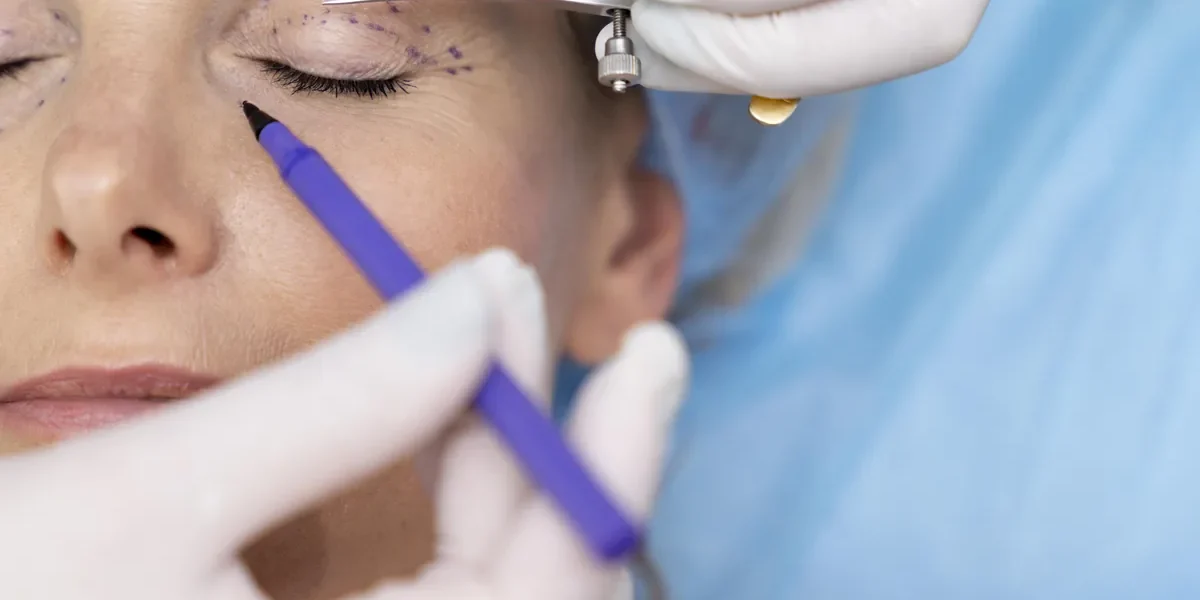
Blepharoplasty is a surgical procedure that can be performed for functional or cosmetic purposes; for example, to treat excess skin on the upper eyelids (upper blepharoplasty) or to remove bags under the eyes (lower blepharoplasty). To achieve success, this surgery requires precise planning and a detailed understanding of eyelid anatomy. When the delicate supporting tissues are excessively altered, negative changes can occur that affect the eyelid’s protective function over the eye or the appearance of the eyes.
During the first few weeks after blepharoplasty, it is normal to experience swelling, bruising, a feeling of tightness, irritation, and dry eyes. Some people feel comfortable going out in public after 10 to 14 days, although full recovery can take several months. These are normal effects of the surgery and should not be interpreted as a complication. On the other hand, anyone undergoing eyelid surgery should understand that unexpected situations can arise in the postoperative period.
What changes might indicate a complication after blepharoplasty?
Some of the possible risks after blepharoplasty include:
- Chronic dry eyes
- Difficulty closing the eyes (lagophthalmos)
- Ectropion or retraction of the lower eyelids
- Unsightly scarring and asymmetries
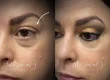
Lower eyelid retraction, for example, occurs when the eyelid is in an abnormally lowered position, leaving more of the ocular surface exposed. This can cause irritation, tearing, a foreign body sensation, or difficulty adequately protecting the eye. These scenarios are rare, but when they do occur, they should be evaluated by a specialist experienced in functional and reconstructive eyelid surgery
How are blepharoplasty complications treated?
The correction depends on the type of complication, the condition of the tissues, the amount of available skin, previous scarring, and eyelid function. In some cases, treatment may include initial medical management to control dryness, inflammation, or eye irritation; in others, secondary reconstructive surgery may be necessary.
Reconstructive eyelid surgery may include releasing internal scars, repositioning the eyelids, supporting weakened structures, or employing techniques to improve blinking. The goal is not only to correct visible asymmetry but also to restore the eyelid’s function as a structure that protects, lubricates, and allows for proper eyelid closure.
The repair of blepharoplasty complications requires an individualized assessment, as this allows for determining the most appropriate timing and technique for the patient’s treatment plan.







 |
|