


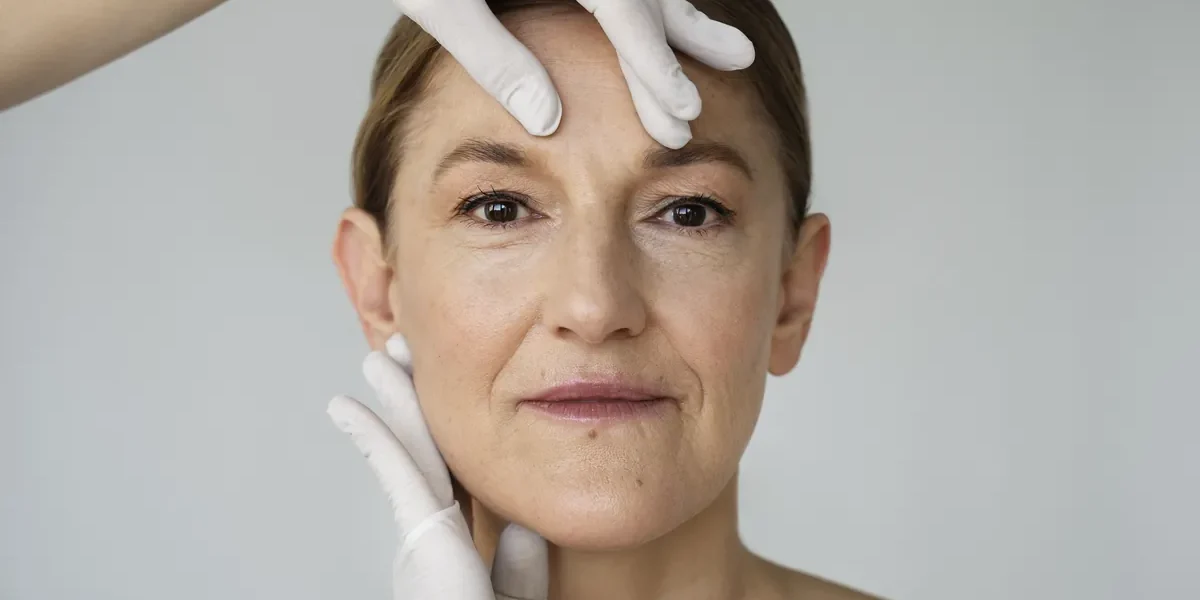
Facial volume loss is one of the most frequent changes associated with aging. Over time, the facial fat deposits, which are normally found in superficial and deep layers, diminish significantly, especially in areas such as the eyebrows, cheeks, and lips. This loss of support can make expression lines more visible and certain areas appear less defined. The American Society of Plastic Surgeons explains that dermal fillers are used to precisely restore volume and soften facial lines associated with these changes.
Given this need, many patients compare two alternatives: facial fat transfer and traditional dermal fillers. Although both procedures aim to restore facial volume, they work differently, producing different scopes, recovery times, and results.
What is the difference between fat transfer and dermal fillers?
Dermal fillers are usually composed of materials such as hyaluronic acid or other injectable products designed to add volume to specific areas. Their main advantage is usually a quick, minimally invasive procedure with a short recovery time. However, the results are temporary. Some fillers can last up to 12 months, while newer products can last up to 2 years, depending on the type of filler, the treated area, and the depth of application. That said, clinical studies have shown that the side effects of these products can persist for years after application.
On the other hand, facial fat transfer uses autologous fat, that is, fat taken from the patient’s own body, to achieve the desired result. This fat is processed and placed in strategic areas to restore volume and improve contours. Because it is adipose tissue from our own body, it offers high biocompatibility and can integrate more naturally into facial tissues. It is important to note that the body can absorb some of the transferred fat during the first few months, so the final result depends on the amount of fat that remains.
Duration, Recovery, and Result
A key difference between fat transfer and filler application lies in the duration of the results. Dermal fillers require periodic maintenance to preserve the achieved volume. In contrast, facial fat transfer can offer longer-lasting results, as the fat that survives the integration process can remain for a longer period.
Recovery also varies. Fillers usually allow for a quick return to daily activities, although temporary swelling or bruising may occur. Facial fat transfer involves a slower recovery because it involves extracting fat from a donor area and then placing it in the face; for this reason, patients need to rest for a longer period. In general, 1 to 2 weeks of rest are usually sufficient to resume daily activities, including exercise.
Which is the best alternative: fat or dermal fillers?
Dermal fillers can be a good option for patients who want targeted corrections or gradual adjustments without a surgical procedure. Fat transfer may be a better option for patients with greater facial volume loss who seek more permanent results.
That said, the choice between these two procedures shouldn’t be based solely on the duration of the results and the procedure’s functionality. Other factors also play a role, such as facial anatomy, the degree of tissue aging, skin quality, and each person’s expectations.
A specialized evaluation can determine which alternative is most suitable for safely, proportionally, and harmoniously restoring facial volume.









 |
|